Pilipino
- English
- Español
- Português
- русский
- Français
- 日本語
- Deutsch
- tiếng Việt
- Italiano
- Nederlands
- ภาษาไทย
- Polski
- 한국어
- Svenska
- magyar
- Malay
- বাংলা ভাষার
- Dansk
- Suomi
- हिन्दी
- Pilipino
- Türkçe
- Gaeilge
- العربية
- Indonesia
- Norsk
- تمل
- český
- ελληνικά
- український
- Javanese
- فارسی
- தமிழ்
- తెలుగు
- नेपाली
- Burmese
- български
- ລາວ
- Latine
- Қазақша
- Euskal
- Azərbaycan
- Slovenský jazyk
- Македонски
- Lietuvos
- Eesti Keel
- Română
- Slovenski
- मराठी
- Srpski језик
Mga Kable ng Signal at Control
Ligtas, matibay at mahusay na mga kable para sa iba't ibang kagamitang elektrikal
China Manufacturer ng De-kalidad na Instrumentation at Signal Cable
Taitong Cableay isang propesyonal na tagagawa at supplier ng Instrumentation at Signal Cable sa China. Ang aming instrumento at signal cable ay espesyal na idinisenyo para sa industriyal na automation at instrumentation system. Bilang isang malaking negosyo na may 5 pabrika sa China, nakatuon kami sa pagbibigay ng mga global na customer ng de-kalidad at cost-effective na mga produkto at serbisyo ng cable.
- View as
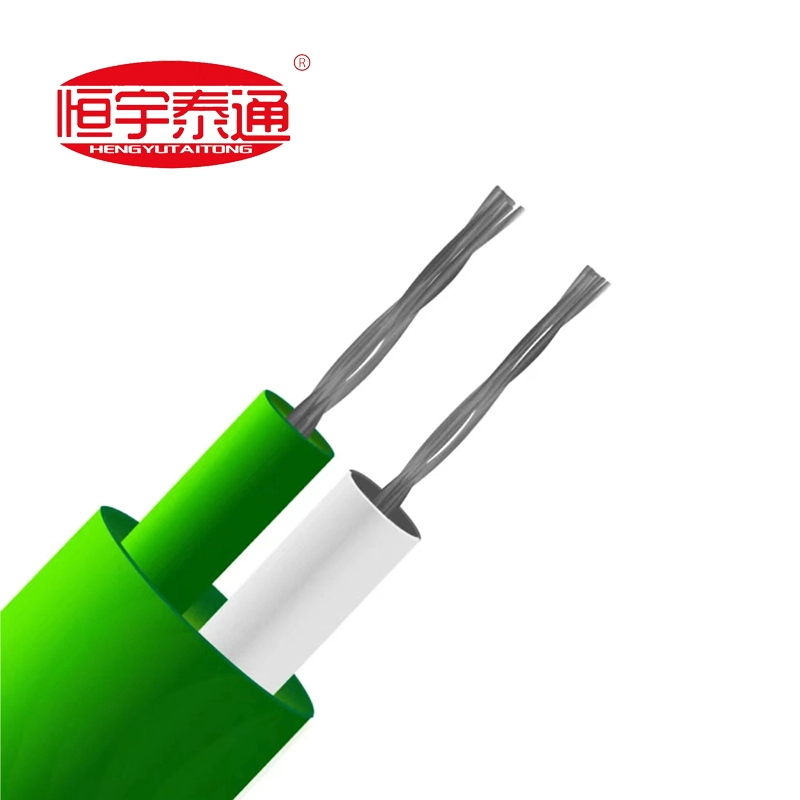
Computer Control At Signal Cable PLS DCS
Bilang isang propesyonal na Computer Control And Signal Cable na tagagawa ng PLS DCS at pandaigdigang supplier sa China, ang Taitong Cable Co., Ltd. ay may mahigit 20 taong karanasan sa mga skilled technical at sales team. Nagbibigay kami ng cost-effective, mataas na kalidad na mga cable at serbisyo para sa mga kliyente sa ibang bansa. Matatagpuan sa Hebei, China, tinatanggap ng Taitong ang mga pandaigdigang negosyo at distributor para sa pakikipagtulungan upang mag-alok ng stock na sumusunod sa standard at customized na mga cable para sa mga industriya ng kuryente at kagamitan sa buong Europe, America, Asia at Africa.
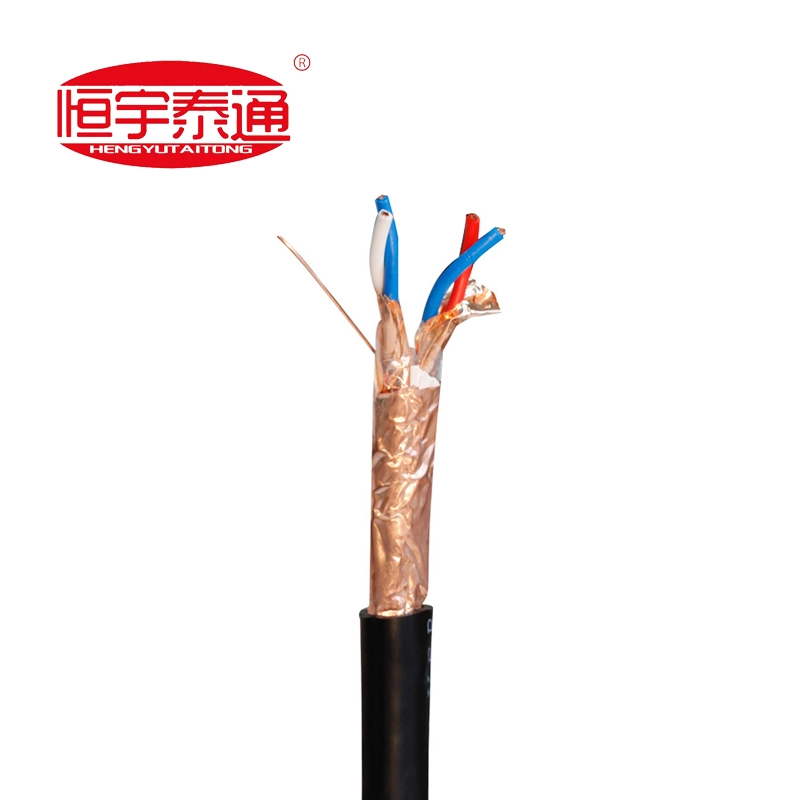
Instrument Special Control Signal Cable
Ang Taitong ay isang propesyonal na tagagawa at pandaigdigang supplier ng Instrument Special Control Signal Cable. Sa malawak na network ng serbisyo, nasaklaw namin ang karamihan sa mga lalawigan at lungsod sa buong China, at na-export ang aming mga produkto sa mga bansa sa ibang bansa. Ipinagmamalaki namin ang pagbibigay sa mga customer ng isang buong hanay ng mga produkto ng cable sa iba't ibang mga detalye ng pagsunod sa mga International standard compliant cable.
1. Instrument and Signal Cables Introduction
Instrument and signal cables are specially used in industrial automation and instrumentation systems for low-voltage, low-current signal transmission (such as temperature and pressure signals) and control.They feature high shielding performance against interference, mainly including analog/digital signal cables, thermocouple extension cables, shielded control cables, etc., suitable for connections between sensors, transmitters, and PLC or DCS systems.
2. Key Features of Instrumentation and Signal Cables
2.1 Low voltage operation: AC rated voltage is generally 0.45/0.75 kV and below.
2.2 High shielding: Copper wire braided shielding or aluminum foil shielding (pair shielding or overall shielding) is used to prevent electromagnetic interference and ensure signal accuracy.
2.3 Precision structure: Multi-core, with fine conductors; insulation materials include PVC, PE or XLPE.
2.4 Flame retardant and temperature resistant: Suitable for industrial environments, with an operating temperature of 70℃ or higher.
3. Common Types of Instrument and Signal Cables
3.1 Instrument signal transmission cables: For analog (temperature, pressure, flow) and digital (switching) signals.
3.2 Thermocouple and RTD extension cables: For temperature instruments, using matched materials to ensure accuracy.
3.3 Communication cables: For fieldbus systems such as RS485, Modbus, connecting sensors and control systems.
3.4 Intrinsic safety shielded cables: For hazardous and explosion-proof areas, usually with a blue outer sheath.
4. Selection Guidelines
4.1 Shielding: Shielded cables are strongly recommended (shield grounded at one or both ends) to avoid noise interference.
4.2 Conductor: Usually high-purity copper (good flexibility, high conductivity).
4.3 Installation environment: Consider oil resistance, flame retardancy, wear resistance, tensile strength, or direct burial.
5. What’are Instrument Cables?
Instrument cables are specially designed for signal transmission and control circuits in instruments and meters under low-voltage conditions.They are widely used in industry to connect instruments and control equipment, ensuring accurate signal transmission and reliable control.
5.1 Main Types
5.1.1 Instrument analog signal cables: Transmit analog signals such as temperature, pressure, flow.
5.1.2 Instrument switching signal cables: Transmit on/off signals.
5.1.3 Thermocouple extension cables: Transmit temperature signals from thermocouples to measuring devices.
5.1.4 RTD extension cables: Transmit temperature signals from resistance temperature detectors.
5.1.5 Power supply cables: Supply power to instruments and equipment.
5.1.6 Grounding cables: Provide reliable grounding for instrument systems.
5.1.7 Communication cables: Enable communication between instruments and control systems.
5.2 Applications
5.2.1 Control: Transmit control signals at rated voltage 450/750V, for indicator lights, relays, switches, alarm interlock systems.
5.2.2 Measurement: Transmit 4–20 mA, 0–10V analog signals for sensors.
5.2.3 Communication: Transmit telephone, data, video, and network signals.
5.3 Selection Requirements
5.3.1 Conductor: Tinned copper or silver-plated copper to resist oxidation and improve conductivity.
5.3.2 Insulation and sheath: High-performance polymers with good impact, tensile, bending, and wear resistance.
5.3.3 Shielding: Tinned copper braid to resist strong electric and magnetic interference.
5.3.4 Protection layer: Polymer layer to protect insulation and enhance mechanical performance.
5.4 Performance Advantages
5.4.1 Oil, wear, acid, alkali and corrosion resistant
5.4.2 Waterproof and highly shielded
5.4.3 High tensile strength
5.4.4 Excellent voltage resistance
5.4.5 High reliability and long service life
6. What are Signal Cables?
Signal cables are shielded cables used for signal transmission in sensors and instruments, usually with tinned or silver-plated conductors to improve signal stability. They feature a four-layer structure: insulation, shielding, wrapping, and sheath, ensuring accurate transmission of weak electrical signals.
6.1 Railway Signal Cables
6.1.1 Suitable for AC 750V or DC 1100V and below in railway signaling systems.
6.1.2 Operating temperature: -45℃ to + 60℃
6.1.3 Laying temperature: not below - 10℃
6.1.4 Long-term conductor temperature: ≤ 70℃
6.1.5 Minimum bending radius: 15–20 times outer diameter
6.1.6 Functions: transmit analog signals (1 MHz), digital signals (2 Mbit/s), power and control data
6.1.7 Applications: automatic block signaling, computer interlocking, dispatching systems, switch machines
6.2 Mining Signal Cables
6.2.1 Common types: MHY32, MHYVRP, etc.(Chinese cable models)
6.2.2 PE insulation, flame-retardant PVC sheath
6.2.3 Used in underground mines, shafts, inclined shafts, and areas with strong electromagnetic interference
6.2.4 Various structures for different mine environments: armored, shielded, flexible, reinforced
7. Our Strength and Commitment
Supported by our strong production scale and capacity, Taitong Cable has achieved outstanding supply performance in railway signal cables and mining signal cables in China. We have established long-term and stable cooperation with national-level railway and coal mining enterprises in China, also been committed to building a global instrument and signal cable supply network, and establishing long-term, stable partnerships with buyers and enterprises worldwide. Taitong Cable is poised to become a world-class cable supplier among China’s top cable enterprises with very competitive in price and quality.